
Minister Nuetah Calls for Expansion of Rubber Production as Government Stabilizes Prices and Boosts Farmer Support
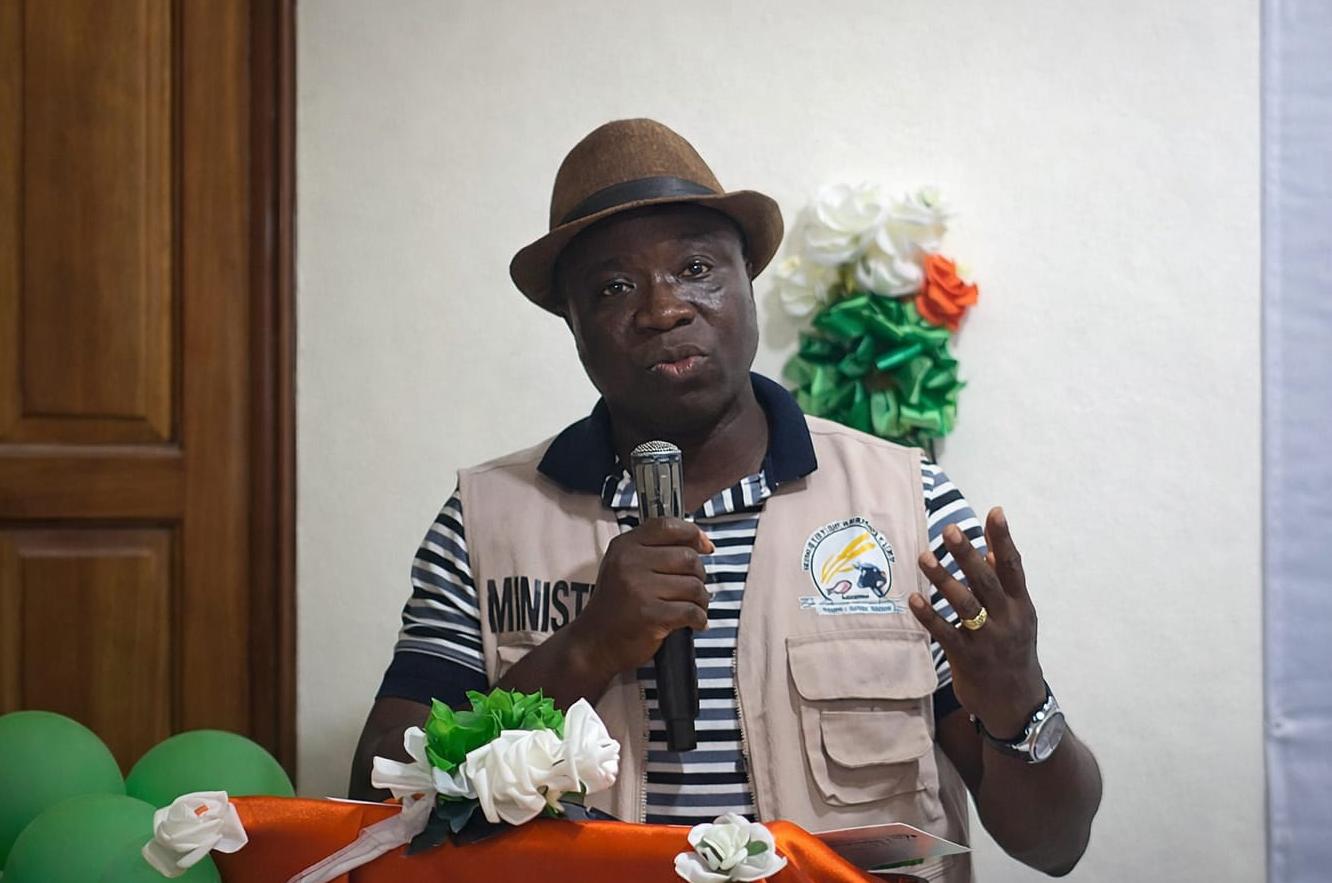
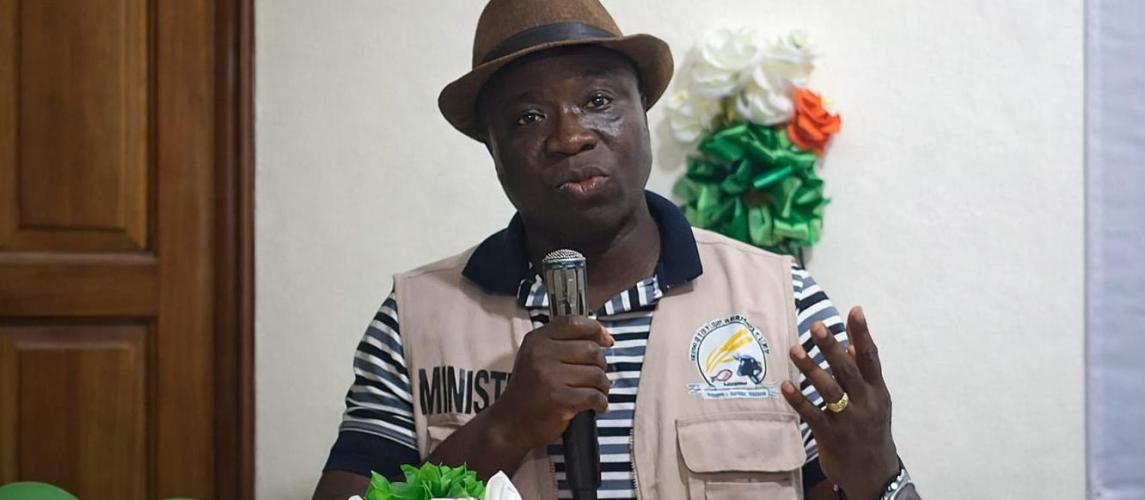
Monrovia, Liberia – March 25, 2026 – Agriculture Minister Dr. J. Alexander Nuetah has called for a significant expansion in rubber production across Liberia, stressing that increased output is essential to unlocking industrial processing, creating jobs, and accelerating national economic growth.
The Minister made the call during an honoring ceremony organized by the Rubber Planters Association of Liberia (RPAL) at Cooper Farm in Todee District, Montserrado County. The event recognized the Government of Liberia for its decisive interventions in stabilizing rubber prices and restoring transparency within the sector.
Positioning production as the cornerstone of the rubber value chain, Dr. Nuetah emphasized that Liberia must first increase output to benefit from downstream opportunities fully.
“We must grow more rubber. That is the starting point. Without sufficient production, we cannot attract or sustain processing,” he stated.
He noted that ongoing government reforms, particularly efforts to stabilize prices, are already creating favorable conditions for farmers, boosting confidence and encouraging expansion while ensuring that producers receive fair value for their crops.
Building on this progress, the Minister warned that Liberia’s current production levels remain far below what is required to sustain both existing and future processing capacity.
“Today, we have major processors in this country, but their capacity exceeds what we can produce. Even if all the rubber produced remained here, we would still fall short. That is why we must increase production,” he said.
Dr. Nuetah further revealed that while there is growing investor interest in establishing processing facilities in Liberia, an inadequate supply of raw materials remains a key constraint.
“I have received proposals from companies seeking to invest in processing, but the reality is clear: we do not yet have the production capacity. Increasing output must come first,” he added.
The Minister also cautioned against the continued export of unprocessed rubber, underscoring its implications for job creation and domestic value addition.
“When we export raw rubber, we export jobs. Processing locally means employment for our people—especially young people and women—and greater economic benefits for the country,” he stressed.
Reflecting on Liberia’s historical position in the global rubber market, Dr. Nuetah highlighted the urgent need for renewed investment and productivity.
“In 1961, Liberia exported 41,000 tons of rubber while Côte d’Ivoire exported just 88 tons. Today, they export over 1.6 million tons, while we stand at 184,000 metric tons. This is a wake-up call—we must invest in our land,” he urged.
He concluded by reaffirming the government’s commitment to enabling the sector while calling on farmers to take ownership of its transformation.
“Government will continue to provide policy direction and support, but real change begins with you—the farmers. You must take the lead in growing more rubber and improving your livelihoods,” he said.
The recognition by RPAL was largely driven by the government’s bold measures to stabilize prices and ensure greater transparency within the sector. These interventions have begun to restore trust and predictability for farmers.
For her part, RPAL President Madam Wilhemina Mulbah Siaway praised the government’s efforts, noting their direct impact on farmers nationwide.
“Previously, rubber prices were uncertain and individually controlled. Today, we have a system that is bringing fairness, transparency, and stability,” she said.
She further highlighted ongoing initiatives to boost production through expanded access to improved planting materials.
“Last season, we distributed over 300,000 high-quality cloned planting materials. This year, we are scaling up to two million stumps—one million through the Rubber Development Fund and another one million under the Ministry of Agriculture’s RETRAP program for smallholder farmers,” Madam Siaway disclosed.
The Ministry of Agriculture remains committed to working closely with farmers and development partners to expand rubber production, strengthen the foundation for local processing, and position Liberia’s rubber sector as a key driver of employment, exports, and sustainable economic growth.
