
NEW IFAD COUNTRY DIRECTOR HIGHLIGHTS GAINS FROM LIBERIA–IFAD AGRICULTURAL PARTNERSHIP
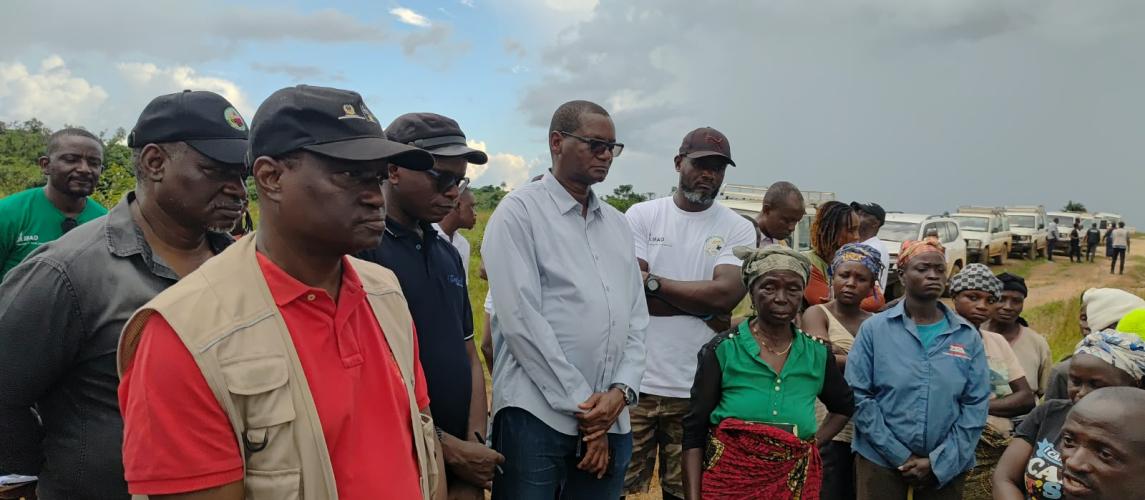
Nimba County — September 28, 2026: The new Country Director of the International Fund for Agricultural Development (IFAD) for Liberia, Mr. Marcelin Norvilus, has highlighted progress under the Government of Liberia–IFAD partnership, citing gains in agricultural production, rural infrastructure and agribusiness development.
Mr. Norvilus made the assessment during his first field mission since taking up the role in July. The 10-day joint Government of Liberia–IFAD field exercise is reviewing agricultural investments implemented by the Government through the Ministry of Agriculture with support from IFAD and other partners.
Speaking from Liberia’s first-ever National Cocoa Seed Garden supported by IFAD in Beeplay, Nimba County, Mr. Norvilus reflected on what he has observed so far.
“My overall impression is very positive. Starting from where we are now, we have seen tangible results across the farmers' organizations, feeder roads, agribusiness enterprises, rice production areas and agricultural research initiatives like this National Cocoa Seed Garden.”
He highlighted support for more than 26,000 cocoa farmers, the distribution of nearly 15 million improved cocoa seedlings, the establishment of more than 14,000 hectares of cocoa farms, and the completion of 370 kilometers of feeder roads, with over 200 kilometers ongoing, among others.
“This, for me, is a good realization, and I can say that the cooperation between Liberia and IFAD is a real success story.”
The delegation is reviewing investments under the Tree Crops Extension Project Phase II (TCEP-II), Building Climate Resilience Project (BCRP), Smallholder Agriculture Transformation and Agribusiness Revitalization Project (STAR-P), and the Scaling up Agroecological Practices in Liberia project under the Investing in Livelihood Resilience and Soil Health in ACP Countries (ILSA) initiative financed by the European Union.
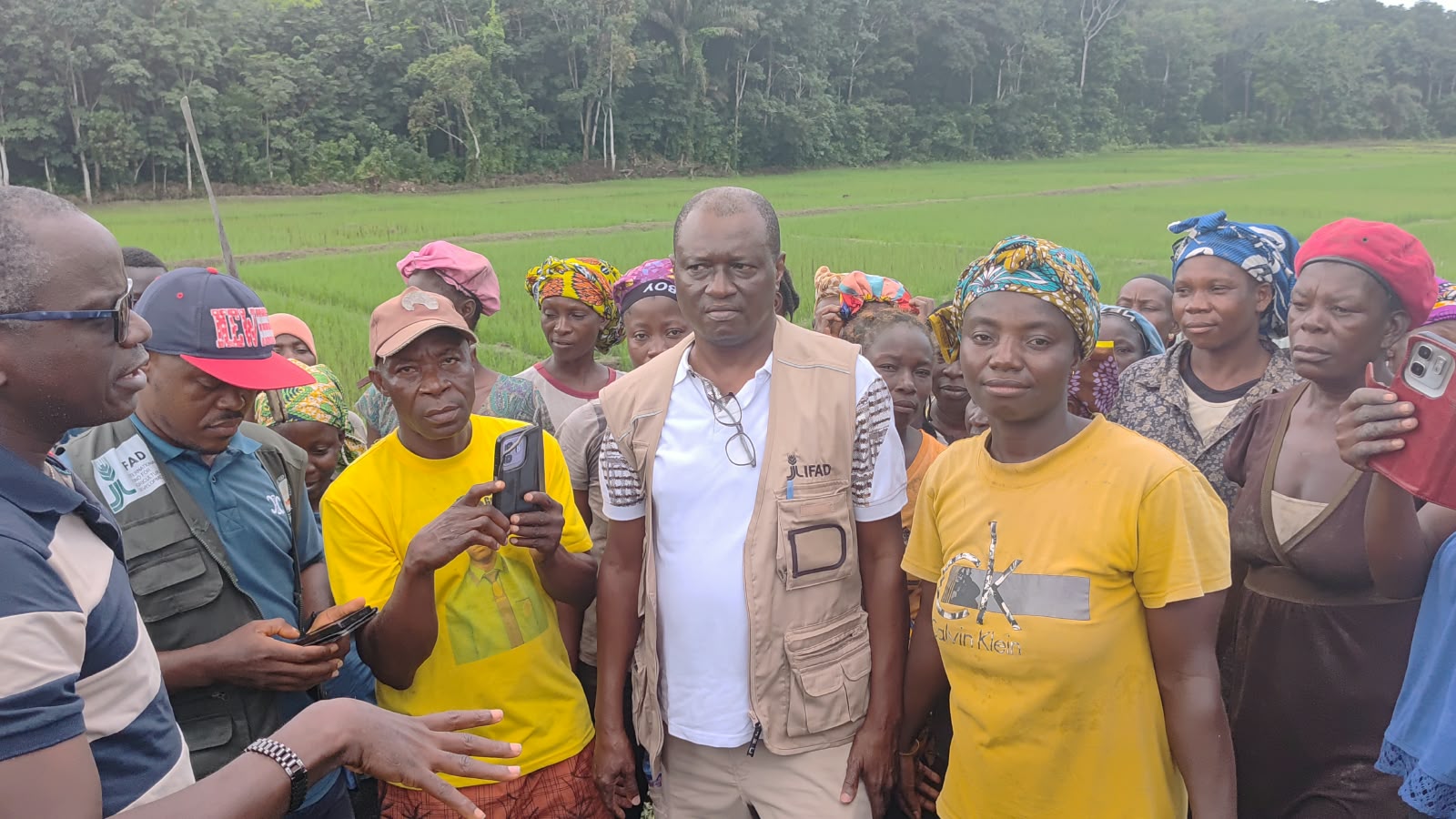
“The message I received from the farmers is very encouraging. They see clear benefits from the projects through increased production, stronger organization, and better market opportunity.”
Rehabilitated feeder roads are helping reduce transportation costs, with more than 70 percent of farmers reporting that they now pay less to transport their products. Farmers have also raised challenges involving access to machinery, rural finance and markets, particularly for women and youth.
“What shakes me more is that farmers want to go further. They are thinking beyond production, and they are looking for growth, value addition and business opportunity. My takeaway is that the farmers are seeing results and they want to scale up their efforts.”
Mr. Norvilus also highlighted the growing connection between investments across agricultural value chains.
“What impressed me most is how different investments are beginning to become concrete and connect into complete value chains. Through STAR-P, for example, more than 51,000 direct beneficiaries have been reached, while over 5,600 farmers are participating in Inland Valley Swamps, covering more than 1,800 hectares.”
He pointed to Selma Agricultural Development Corporation in rice and the Diompilor Farmers’ Association in oil palm as examples of locally driven agricultural enterprises with the potential to create jobs, add value and reinvest in communities.
“Continue believing in the potential of agriculture in Liberia. We have seen inspiring examples, such as Selma and Diompilor, which demonstrate that local initiatives, entrepreneurship and innovation can create opportunity and improve livelihoods.”
Mr. Norvilus acknowledged that important constraints remain, particularly those farmers raised directly during the field engagements.
“We have also listened carefully to farmers' concerns, particularly regarding mechanization, financing and market access.”
